
No
No
N/A
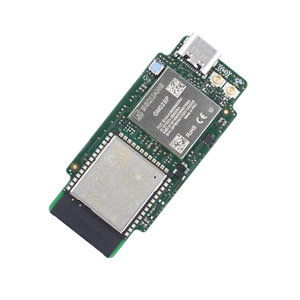
Development Board
Code name: ESP32S3_DEV
ESP32S3 Walter Module is a development board based on the ESP32S3 microcontroller using XTENSA architecture.
This board features a maximum CPU frequency of 240 MHz and 16MB flash memory.
About ESP32S3 Walter Module
Walter is a small, highly integrated IoT module built to tackle complex connectivity and processing needs. At its core is the ESP32-S3, a versatile system-on-chip (SoC) featuring a dual-core processor with hardware acceleration for machine learning, cryptography, and signal processing. It includes a range of peripherals, such as UART, SPI, I²C, and CAN, alongside built-in Wi-Fi b/g/n and Bluetooth 5, providing robust local networking and communication options.
What sets Walter apart is its inclusion of the Sequans GM02SP modem, offering LTE-M and NB-IoT 5G connectivity for low-power, wide-area communication, ideal for IoT applications. The modem also integrates a GNSS receiver, adding precise positioning capabilities for tasks like asset tracking, navigation, or geolocation.
Technical Specifications
Complete technical specification details for ESP32S3 Walter Module
Connectivity
WiFi 802.11 b/g/n (2.4 GHz)
Bluetooth 5.0
BLE 5.0
LTE: CAT M1/NB1/NB2 Yes
Microcontroller
Model esp32s3
Clock Speed 240 MHz
Flash Size 16MB
Architecture xtensa
✨ Features & Pins
Маппинг пинов
Полная распиновка и соответствие GPIO для ESP32-S3
| Пин | Аналог | Тач | PWM | Другое |
|---|---|---|---|---|
| 1 | A0 | T1 | PWM | SDA |
| 2 | A1 | T2 | PWM | SCL |
| 3 | A2 | T3 | PWM | |
| 4 | A3 | T4 | PWM | |
| 5 | A4 | T5 | PWM | |
| 6 | A5 | T6 | PWM | |
| 7 | A6 | T7 | PWM | |
| 8 | A7 | T8 | PWM | |
| 9 | A8 | T9 | PWM | |
| 10 | A9 | T10 | PWM | SS |
| 11 | A10 | T11 | PWM | MOSI |
| 12 | A11 | T12 | PWM | SCK |
| 13 | A12 | T13 | PWM | MISO |
| 14 | A13 | T14 | PWM | |
| 15 | A14 | PWM | ||
| 16 | A15 | PWM | ||
| 17 | A16 | PWM | ||
| 18 | A17 | PWM | ||
| 19 | A18 | PWM | USB_D- | |
| 20 | A19 | PWM | USB_D+ | |
| 21 | PWM | |||
| 35 | PWM | |||
| 36 | PWM | |||
| 37 | PWM | |||
| 38 | PWM | |||
| 39 | PWM | |||
| 40 | PWM | |||
| 41 | PWM | |||
| 42 | PWM | |||
| 43 | PWM | TX0 | ||
| 44 | PWM | RX0 | ||
| 45 | PWM | |||
| 46 | PWM | |||
| 47 | PWM | |||
| 48 | PWM | RGB_LED |
Digital IO 24
Analog Input 22
PWM 22
Interrupts 22
- • LTE: CAT M1/NB1/NB2 (GM02SP module)
- • GPS: GPS, GNSS Constellation support (GM02SP module)
- • Ultra low deep sleep current of 9.8µA
- • Certified for CE, FCC, IC, UKCA, New-Zealand and Australia
Quick Setup
Copy-paste configs for ESP32S3 Walter Module - auto‑generated from this board’s exact hardware specs.
ESP32S3 240 MHz 16MB DIO Xtensa
In Arduino IDE 2 select Esp32s3 Dev from the esp32 by Espressif package. In PlatformIO use board = esp32-s3-devkitm-1. ESP32S3 · 240 MHz · 16MB · DIO.
Arduino IDE PlatformIO ESPHome esptool
Tools menu settings Copy
Board (select in Arduino IDE) Esp32s3 Dev
CPU Frequency 240 MHz
Flash Size 16MB
Flash Mode DIO
Upload Speed 921600
Architecture Xtensa
In Arduino IDE 2, open Boards Manager, search “esp32” by Espressif and install it. Then go to Tools → Board and select “Esp32s3 Dev” for the ESP32S3 Walter Module.
platformio.ini Copy
[env:esp32s3-walter]
platform  = espressif32
board     = esp32-s3-devkitm-1
framework = arduino

; Exact hardware config for ESP32S3 Walter Module
board_build.mcu        = esp32s3
board_build.f_cpu      = 240000000L
board_build.flash_size = 16MB
board_build.flash_mode = dio
board_upload.flash_size = 16MB
The board value is a close generic match - check PlatformIO board registry for an exact fit.
esp32: block (YAML) Copy
esp32:
  board: esp32-s3-devkitc-1
  framework:
    type: arduino   # or "esp-idf"

# ESP32S3 Walter Module - 240 MHz ESP32S3
# Flash: 16MB | USB: N/A
Paste into your device’s .yaml. See ESPHome ESP32 docs for full options.
esptool.py - flash command Copy
esptool.py \
  --chip esp32s3 \
  --baud 921600 \
  write_flash \
    --flash_mode dio \
    --flash_size 16MB \
    0x0 bootloader.bin \
    0x8000    partitions.bin \
    0xe000    boot_app0.bin \
    0x10000   firmware.bin
Install: pip install esptool - replace firmware.bin with your binary - bootloader at 0x0
ESP32S3 Walter Module Pinout Diagram
Complete pin reference for ESP32S3 Walter Module
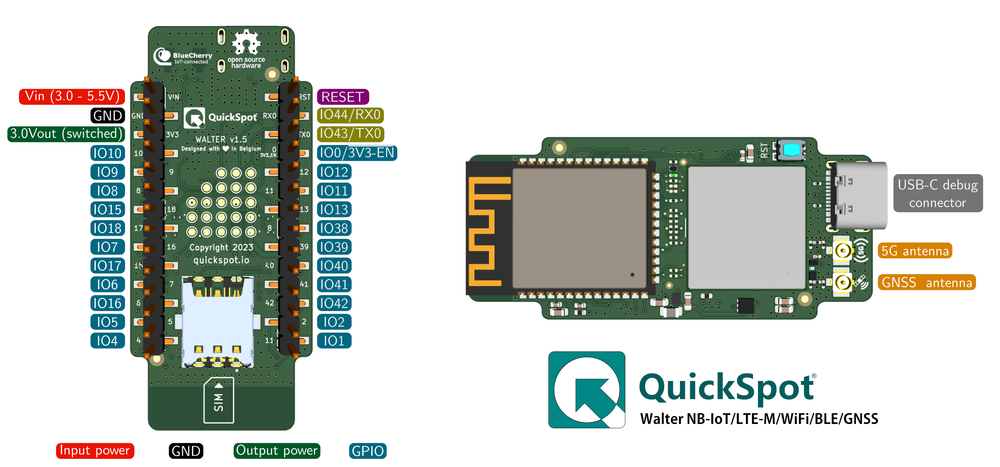
Safe Pins to Use
These pins are safe for general GPIO usage without boot or system conflicts
RESET
IO44/RX0
IO43/TX0
DFU/3V3 EN
IO2
IO1
IO4
IO5
IO6
IO7
IO15
IO16
IO17
IO18
IO8
3V3 OUT
VIN
Why Are These Pins Safe?
✓ No boot sequence involvement
✓ No flash/PSRAM connections
✓ No USB or JTAG conflicts
✓ Freely assignable without issues
Pins to Avoid or Use with Caution
Reserved for critical functions. Misuse may cause boot failures, programming issues, or system conflicts.
Strapping Pins
Boot behavior & flash voltage
JTAG Debugging
Low-level debugging interface
USB Pins
USB Serial/JTAG communication
Flash/SPI Pins
Memory & PSRAM connections
UART Serial
Debugging & firmware uploads
PIN
Label
Why Avoid
Type
IO12
FSPICLK
Drives the flash (and PSRAM) clock. This critical signal must be reserved for memory and not used as general GPIO.
⚡ Flash
IO11
FSPID
Used as a data line for flash (and in-package PSRAM). It should not be used as GPIO when the flash/PSRAM is in use.
⚡ Flash
IO13
FSPIQ
Used as a data line for flash/PSRAM transfers. Not available for other uses when flash/PSRAM is connected.
⚡ Flash
IO38
FSPIWP
On flash-equipped chips, this pin is tied to the flash’s WP# (or D3) line. It should be avoided for other use, as it’s needed for flash operations.
⚡ Flash
IO39
MTCK (GPIO39)
Default JTAG debugging TCK pin. If JTAG is needed, this pin must be free; it may also be used internally for PSRAM chip select on certain modules, so avoid repurposing it.
🪛 Other
IO40
MTDO (GPIO40)
Default JTAG TDO output for debugging. Using it as GPIO will interfere with JTAG debugging functionality.
🪛 Other
IO41
MTDI (GPIO41)
Default JTAG TDI input for debugging. Should be reserved for JTAG or left unused if JTAG is to remain available.
🪛 Other
IO42
MTMS (GPIO42)
Default JTAG TMS signal for debugging. Using this pin for other purposes will disable the JTAG interface (unless JTAG is rerouted to USB).
🪛 Other
IO9
FSPIHD
Connected to external flash (data/hold signal) on most modules. Not recommended for use as GPIO, since it must remain dedicated to flash communication.
⚡ Flash
IO10
FSPICS0
Used to select the external flash chip. It is required for flash access and cannot be repurposed without losing flash connectivity
⚡ Flash
Show All 10 Pins
Useful Links
Datasheets and resources for ESP32S3 Walter Module
[
Board Datasheet
Technical specifications
](https://www.quickspot.io/datasheet/walter_datasheet.pdf)[
ESP32S3 Datasheet
Microcontroller reference
](https://www.espressif.com/sites/default/files/documentation/esp32-s3_datasheet_en.pdf)
ESP32S3 Walter Module Custom Pin Mapping
Pin configuration and GPIO mapping for ESP32S3 Walter Module
24
Digital I/O Pins
22
Interrupt Pins
22
Analog Inputs
22
PWM Pins
Pin
Function
ESP Pin
I/O Type
Description
1
RESET
EN
input
ESP32 reset with 10k pullup
2
IO44/RX0
RXD0
bidirectional
ESP32 UART0 Receive
3
IO43/TX0
TXD0
bidirectional
ESP32 UART0 Transmit
4
DFU/3V3 EN
IO0
bidirectional
DFU when low on boot and 3V3 output enable
5
IO12
IO12
bidirectional
General purpose I/O
6
IO11
IO11
bidirectional
General purpose I/O
7
IO13
IO13
bidirectional
General purpose I/O
8
IO38
IO38
bidirectional
General purpose I/O
9
IO39
IO39
bidirectional
General purpose I/O
10
IO40
IO40
bidirectional
General purpose I/O
11
IO41
IO41
bidirectional
General purpose I/O
12
IO42
IO42
bidirectional
General purpose I/O
13
IO2
IO2
bidirectional
General purpose I/O
14
IO1
IO1
bidirectional
General purpose I/O
15
IO4
IO4
bidirectional
General purpose I/O
16
IO5
IO5
bidirectional
General purpose I/O
17
IO6
IO6
bidirectional
General purpose I/O
18
IO7
IO7
bidirectional
General purpose I/O
19
IO15
IO15
bidirectional
General purpose I/O
20
IO16
IO16
bidirectional
General purpose I/O
21
IO17
IO17
bidirectional
General purpose I/O
22
IO18
IO18
bidirectional
General purpose I/O
23
IO8
IO8
bidirectional
General purpose I/O
24
IO9
IO9
bidirectional
General purpose I/O
25
IO10
IO10
bidirectional
General purpose I/O
26
3V3 OUT
N/A
power output
Switchable 3.3VDC output
27
GND
GND
power ground
GND connection
28
VIN
N/A
power input
DC Power input port
Legend
Function Pin role
GPIO ESP32 pin
I/O Direction
# Pin number
Инструменты и конфигурация
Настройки сборки и загрузки по умолчанию для ESP32S3 Walter Module
| Настройка | Значение |
|---|---|
| Инструмент загрузчика | esptool_py |
| Инструмент сетевой загрузки | esp_ota |
| Адрес загрузчика | 0x0 |
| Режим Flash | ИНСТРУМЕНТЫ И КОНФИГУРАЦИЯ
НАСТРОЙКИ СБОРКИ И ЗАГРУЗКИ ПО УМОЛЧАНИЮ ДЛЯ ESP32S3 WALTER MODULE
НАСТРОЙКА ЗНАЧЕНИЕ ИНСТРУМЕНТ ЗАГРУЗЧИКА ESPTOOL_PY |
| Максимальный размер | 4МБ |
Similar Boards
Other development boards with ESP32S3 microcontroller
[
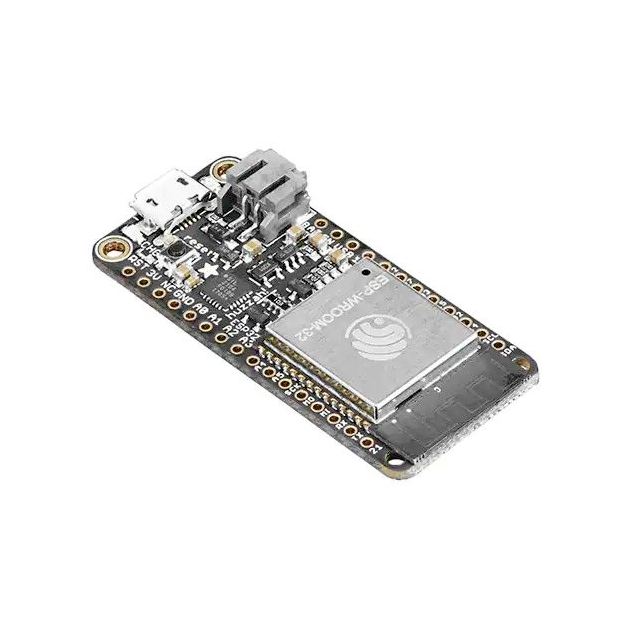
Adafruit ESP32 Feather
ESP32 XTENSA
Adafruit ESP32 Feather development board is based on esp32 microcontroller and uses xtensa architecture.
View Board Details
](/esp32/featheresp32)[
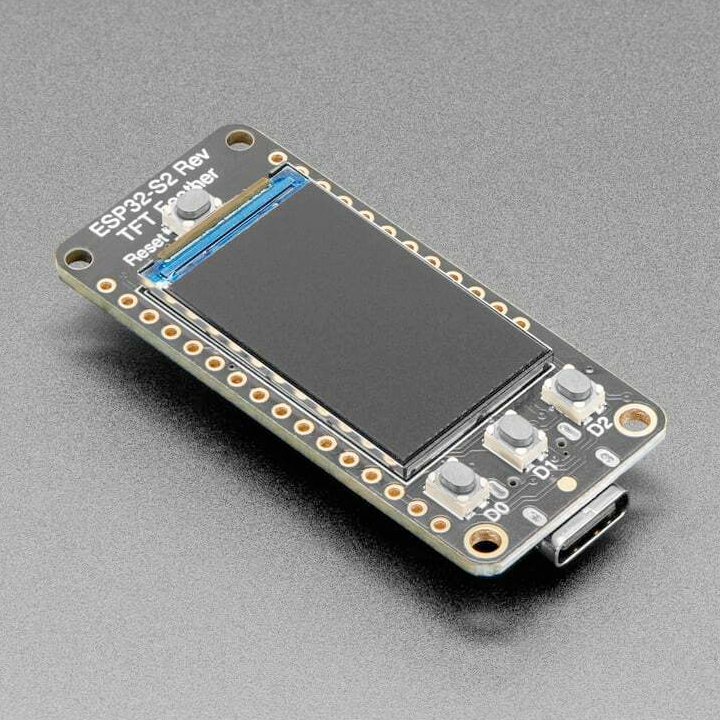
Adafruit Feather ESP32-S2 Reverse TFT
ESP32S2 XTENSA
Adafruit Feather ESP32-S2 Reverse TFT development board is based on esp32s2 microcontroller and uses xtensa…
View Board Details
](/esp32/adafruit-feather-esp32s2-reversetft)[
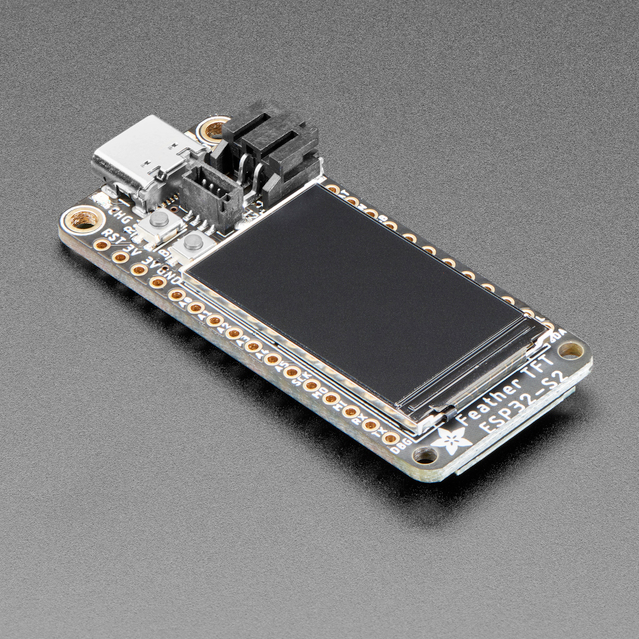
Adafruit Feather ESP32-S2 TFT
ESP32S2 XTENSA
Adafruit Feather ESP32-S2 TFT development board is based on esp32s2 microcontroller and uses xtensa…
View Board Details
](/esp32/adafruit-feather-esp32s2-tft)